Signs That Your Roof Needs an Upgrade
Discover 9 crucial indicators that your roof may need an upgrade. From curling shingles to increasing energy bills, identify problems before they escalate.
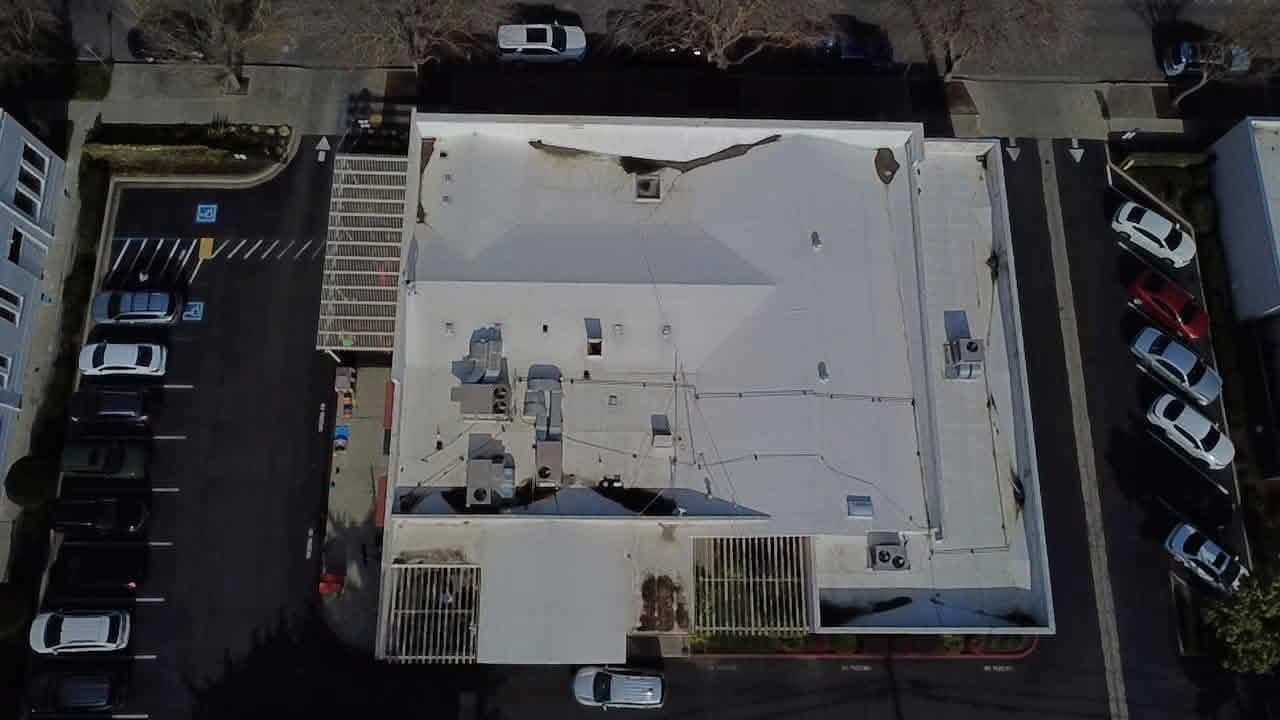
1. Your Shingles Look Like They’ve Given Up
Step outside. Look up.
If your shingles are curling, cracking, or straight up missing, that’s not “normal wear.” That’s your roof waving a white flag.
Shingles are supposed to lie flat, tight, and locked in.
Once they start bending or breaking, water has a direct path in.
And water doesn’t knock. It kicks the door down.
2. You’re Finding Granules Everywhere
Run your hand through your gutter.
Feel that gritty, sand-like stuff?
That’s not dirt. That’s your roof slowly disintegrating.
Those tiny granules on asphalt shingles are what protect them from the sun. Once they start shedding, your shingles are basically naked up there, getting cooked every day.
No protection means faster aging. Faster aging means leaks are coming.
3. Fiberglass Exposure Is Showing
This one’s nasty.
Underneath those asphalt shingles is fiberglass matting. It’s not supposed to be visible. Ever.
If you start seeing shiny, stringy patches or a kind of exposed weave look, your roof is past “repair” territory.
At that point, you’re not maintaining your roof.
You’re babysitting a failure.
4. Your Roof Color Is Fading or Looks Patchy
Roofs don’t just fade for aesthetic reasons.
When the color starts washing out or looks uneven, it usually means the protective oils and materials are breaking down.
Sun beats on it. Rain hits it. Wind tears at it.
Eventually, it loses that deep, solid tone and starts looking tired.
And tired roofs don’t last long.
5. Your Energy Bill Creeps Up for No Clear Reason
This one people miss all the time.
Your roof plays a massive role in insulation. When it starts failing, it lets heat in during summer and leaks warmth out in winter.
So what happens?
Your AC starts working overtime. Your system runs longer, harder, louder.
And your bill quietly climbs.
You think it’s the weather. Or the utility company.
But sometimes… your roof is leaking efficiency.
6. You See Water Stains or Smell That Damp, Musty Air
Walk into your attic or look up at your ceiling.
Brown stains. Soft spots. Bubbling paint.
That’s not decoration. That’s water already inside your house.
And once you smell that damp, moldy scent, it’s game on.
Moisture has been sitting there, growing things you don’t want growing.
By the time you see this, the damage isn’t starting.
It’s been happening.
7. Moss or Algae Is Taking Over
A little green patch might look harmless. Almost peaceful.
It’s not.
Moss holds moisture against your roof like a wet sponge.
That constant dampness eats away at the materials underneath.
Over time, it pries shingles apart and weakens everything.
Looks like nature. Acts like destruction.
8. Sagging Areas That Look… Off
This is the one that should make you stop mid-step.
If your roofline isn’t straight anymore, if it dips or sags like it’s tired of holding itself up, that’s structural.
Not cosmetic. Not minor.
That means something underneath is compromised. Wood. Supports. Load distribution.
And that’s not something you wait on.
9. Your Roof Is Simply Old
No drama here. Just facts.
Most roofs last around 20 to 30 years depending on material and conditions.
If yours is pushing that limit, even if it “looks fine,” it’s living on borrowed time.
And roofs don’t politely expire. They fail at the worst possible moment.
Storm. Heatwave. Random Tuesday night.