

This site is no longer active!
If you are the owner, you must reactive this site for it to be published again
or contact us at support@rebolthq.com

If you are the owner, you must reactive this site for it to be published again
Summer heat deteriorates your roof faster than you think, causing cracks and leaks. Learn to spot signs of damage and prevent costly repairs.
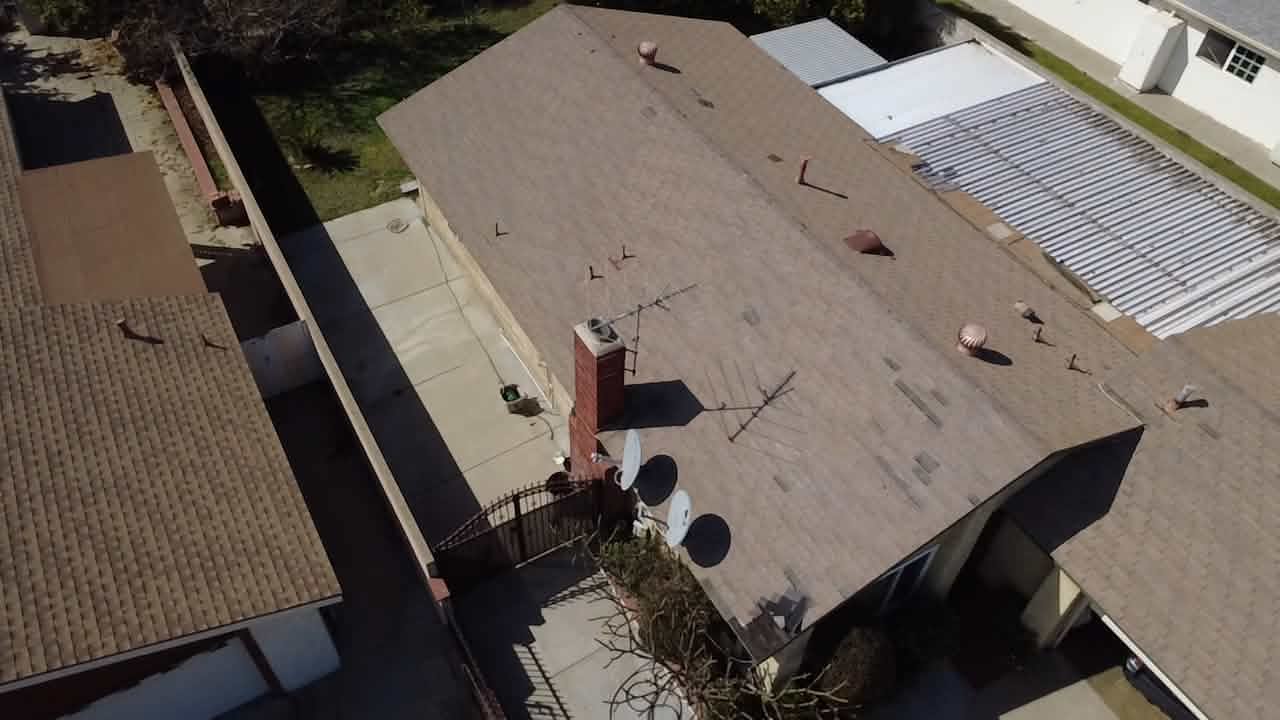
Most homeowners don’t think about their roof until there’s a leak.
By then?
The damage is already done.
And in places like California, summer heat quietly destroys roofs faster than most people realize.
Day after day, your roof sits under brutal sunlight, absorbing heat for hours at a time. Over the years, that constant expansion and contraction weakens roofing materials, dries them out, and slowly breaks them down.
What starts as normal aging can quickly turn into cracked shingles, weakened flashing, leaks, and expensive structural problems underneath.
The scary part?
Most of it happens silently.
You usually don’t notice the problem until water starts getting inside your home.
California heat is especially rough on aging roofs.
Older shingles become dry and brittle after years of direct UV exposure. Once that happens, they lose flexibility and start cracking under pressure.
Extreme heat can also warp roofing materials and weaken the seal that protects your home from moisture.
And it’s not just the top layer homeowners need to worry about.
The wood underneath your roof takes a beating too.
Over time, trapped heat and moisture can weaken the roof decking beneath the shingles. That means when repairs finally happen, homeowners sometimes discover rotting wood, soft spots, or structural damage they never knew existed.
Now a simple repair turns into a much larger and more expensive project.
Your roof doesn’t just deal with heat.
It deals with constant weather changes year-round.
Hot afternoons. Cool nights. Wind. Rain. Moisture. Dry air.
That nonstop cycle causes roofing materials to expand and contract over time. Eventually, the stress starts breaking things down.
Small cracks form.
Shingles loosen.
Protective layers weaken.
Water slowly finds its way underneath.
Even if everything looks “fine” from the street, hidden damage may already be building underneath the surface.
Most people think roof problems happen during winter.
The truth?
Winter roof damage usually starts months earlier.
A weakened roof entering colder, wetter weather is far more likely to develop leaks and moisture problems.
Small cracks created during summer heat allow water to sneak underneath roofing materials once rain and colder temperatures arrive.
That moisture can slowly spread into the wood structure beneath the roof, creating rot, mold, and long-term structural damage.
By the time homeowners notice water stains on the ceiling, the issue has often been growing for a while.
Most homeowners wait too long.
They wait until there’s a major leak, visible sagging, or serious water damage.
That’s usually when repair costs spike.
The best time to replace a roof is before severe weather exposes existing weaknesses.
For many homeowners, late spring through early fall is ideal because weather conditions are more predictable and roofing materials install properly in warmer temperatures.
More importantly, replacing an aging roof early helps prevent hidden structural damage from getting worse underneath.
Waiting often turns a manageable project into a much more expensive one.
Keep an eye out for:
Cracked or curling shingles
Faded or brittle roofing materials
Sagging rooflines
Dark water stains on ceilings
Missing shingles after windstorms
Soft spots or moisture in the attic
Granules collecting in gutters
Even small warning signs can point to larger issues hiding underneath the surface.
Your roof protects everything underneath it.
But heat, weather, and time slowly wear it down year after year.
And the longer problems sit, the more expensive they usually become.
A roof that looks “good enough” today could already have hidden damage developing underneath.
That’s why regular inspections and early action matter.
Because catching a problem early is always cheaper than waiting until water starts pouring into your home.